
Knee Surgery: Diagnosis, Treatment Options & Recovery
We deliver diagnosis-first care, favouring conservative management where safe and precise knee surgery when necessary. Our integrated surgeons–physiotherapists team focuses on restoring stability, protecting cartilage, and guiding a confident return to work, life, and sport.
Common Conditions
- Osteoarthritis of the Knee
- Meniscus tear
- Anterior Cruciate Ligament (ACL) Injuries
- Baker’s Cyst
- Patellofemoral arthritis
Knee Surgery

Who We Help
We care for active adults, workers, and athletes with joint-line pain, swelling, catching/locking, kneecap pain, and instability. Whether you have a known diagnosis or ongoing knee pain that has not responded to rest, we provide a clear plan from first assessment through to recovery.
Our Treatment Philosophy
- Accurate diagnosis using targeted history, examination, and appropriate imaging.
- Conservative-first: education, load management, bracing where appropriate, and criteria-based rehabilitation.
- Right operation, right time: arthroscopy for mechanical/repairable problems; partial/total knee replacement for advanced arthritis.
- Integrated rehab with objective milestones for a safe and confident return to activity and sport.
Knee Conditions We Treat
- Meniscal Tear
— joint-line pain, catching/locking - Anterior Cruciate Ligament (ACL) Injury
— instability with pivoting - Patellofemoral (Kneecap) Arthritis
— pain on stairs, kneeling, sitting - Osteoarthritis of the Knee
— activity-related aching, stiffness, swelling - Baker’s Cyst (Popliteal Cyst)
— fullness behind the knee; treat the driver
Knee Surgery & Procedures
Knee Arthroscopy (Keyhole Surgery)
Minimally invasive procedures to preserve the meniscus, stabilise loose tissue, and address mechanical symptoms. Learn more: Knee Arthroscopy.
- Meniscal repair (inside-out, all-inside, root repair) where feasible.
- Limited partial meniscectomy when tissue is irreparable—preservation first.
- Loose body removal and chondral flap stabilisation.
ACL Reconstruction / Repair
For recurrent instability or return to pivoting sport. Graft options include hamstring, patellar tendon (BTB), and quadriceps tendon. See: ACL Injuries.
- Consider lateral extra-articular tenodesis (LET) in high-risk pivoters or revision cases.
- Meniscal preservation is prioritised to protect long-term joint health.
Knee Replacement
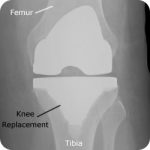
Reliable pain relief and function for advanced arthritis. Options are tailored to your pattern of wear, alignment, and goals. Learn more: Knee Replacement.
- Partial (unicompartmental) replacement for isolated compartment disease.
- Patellofemoral replacement for isolated kneecap arthritis in selected patients.
- Total knee replacement when multiple compartments are involved.
- Enhanced recovery pathways and personalised alignment philosophy.
Non-Operative Care
Many knees improve without surgery. We tailor education, load modification, and exercise therapy with our physiotherapy team.
- Strength: quadriceps/VMO, hamstrings, gluteals, calves.
- Mobility and swelling control; taping/bracing when indicated.
- Gradual return-to-run/sport with criteria-based progressions.
- Medications & injections (e.g., corticosteroid for irritable synovitis; hyaluronic acid/PRP in selected cases) after informed discussion.
- Weight management & footwear optimisation where relevant.
Diagnosis & Imaging
We combine a targeted history and examination with imaging to confirm the diagnosis and plan care:
- X-rays for joint space, alignment, osteophytes, patellofemoral tracking.
- MRI to define meniscal tears, ACL injury, cartilage status, and synovitis.
- Ultrasound for Baker’s cyst confirmation and procedural guidance.
Recovery & Timelines
After Knee Arthroscopy
- Partial meniscectomy: walk the same day; light jogging often from 3–4 weeks if criteria met.
- Meniscal repair/root repair: protected weight-bearing and brace early; running typically 3–4 months; pivoting sport commonly 5–6+ months with objective testing.
After ACL Reconstruction
- Weeks 0–2: swelling control, full extension, gait re-education, quad activation.
- Weeks 3–12: progressive strength, balance; controlled jogging once criteria met.
- Months 3–6: plyometrics, change-of-direction, deceleration mechanics.
- Months 6–9+: sport-specific work; return-to-sport testing (strength/hop symmetry ≥90%, quality mechanics, readiness scales).
After Knee Replacement
- Hospital & early phase: early walking with aids; home as per enhanced recovery protocol.
- Weeks 2–6: progressive independence, functional strengthening, community walking.
- Weeks 6–12: return to driving/desk work as advised; build endurance and balance.
- Beyond 3 months: low-impact activities (cycling, swimming, golf) per guidance.
Ready to Take the Next Step?
If knee pain is limiting your work, sleep, or sport, we’ll help you move forward with a clear diagnosis and plan.
Knee Surgery — FAQs
How do I know if I need surgery?
We recommend surgery when symptoms remain limiting despite best non-operative care, when there is a mechanical problem (e.g., locked meniscal tear, recurrent instability), or when arthritis is advanced and knee replacement provides a more predictable outcome.
Is arthroscopy useful for osteoarthritis?
Arthroscopy is not routine for established osteoarthritis. It may be considered only for specific mechanical issues such as true locking from a displaced fragment or loose body.
Which ACL graft is best?
Each option has pros and cons. We tailor hamstring, patellar tendon (BTB), or quadriceps tendon grafts to your sport, anatomy, and preferences.
How soon can I return to sport?
Return is based on objective criteria (strength and hop symmetry, quality mechanics, psychological readiness). After ACL reconstruction many athletes return between 9–12 months when criteria are met.
What are the risks?
All surgery carries risks: infection, bleeding, clots (rare), stiffness, nerve/vascular irritation, or persistent symptoms if arthritis is advanced or other drivers remain. We discuss personalised risk and prevention strategies at consultation.