
Prehabilitation in Melbourne
Preparing for orthopaedic surgery with prehab
A structured program to build strength and fitness before surgery, so you recover faster, walk sooner and get back to daily life safely.
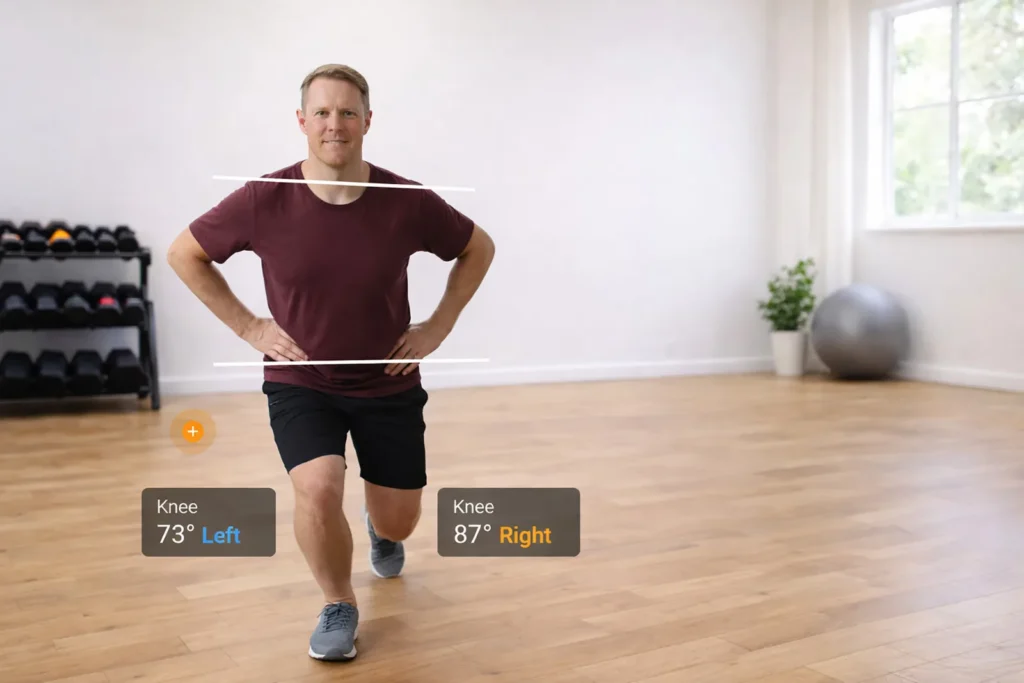
Physiotherapy
Targeted strength and range work for the joint being operated on.
Exercise science
General fitness and conditioning ahead of surgery.
ERAS+ education
What to expect in hospital and in the first weeks at home.
Why prehab?
- Shorter hospital stay
- Less pain and swelling
- Walking and stairs sooner
- Fewer complications
- More confidence
Part of our ERAS+ pathway.
How long?
Most patients complete 2 to 6 weeks of structured prehab. We take baseline measures with a Biomechanical Profile Assessment (VALD ForceDecks + InBody) and track progress in the Healthy Joints app.
What your prehab includes
Strength and mobility
Exercises for the hip, knee or shoulder to improve control, flexibility and endurance.
Heart and lung fitness
Low-impact walking, cycling or water exercise to build fitness for the days after surgery.
Nutrition and weight
Protein and fluid targets, and help with weight and blood sugar, to support wound healing.
Education and confidence
Clear guidance on the anaesthetic, pain relief and recovery milestones, which eases worry.
Examples by operation
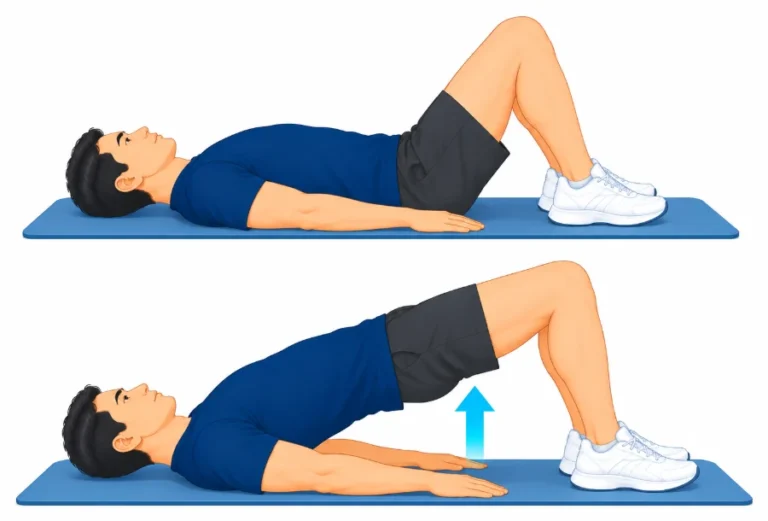
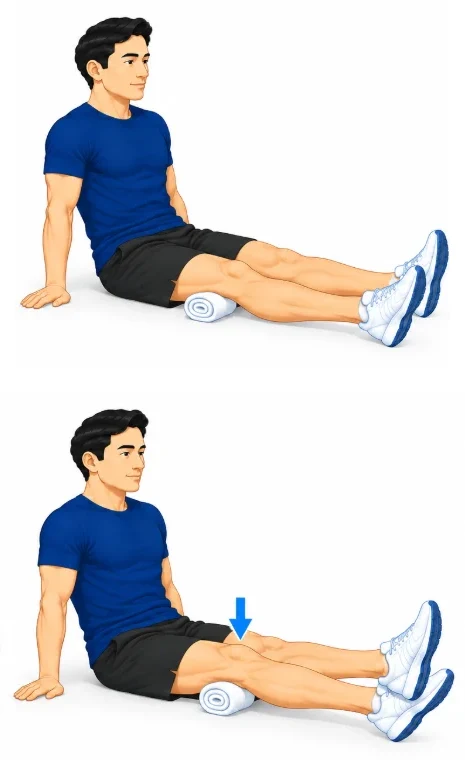
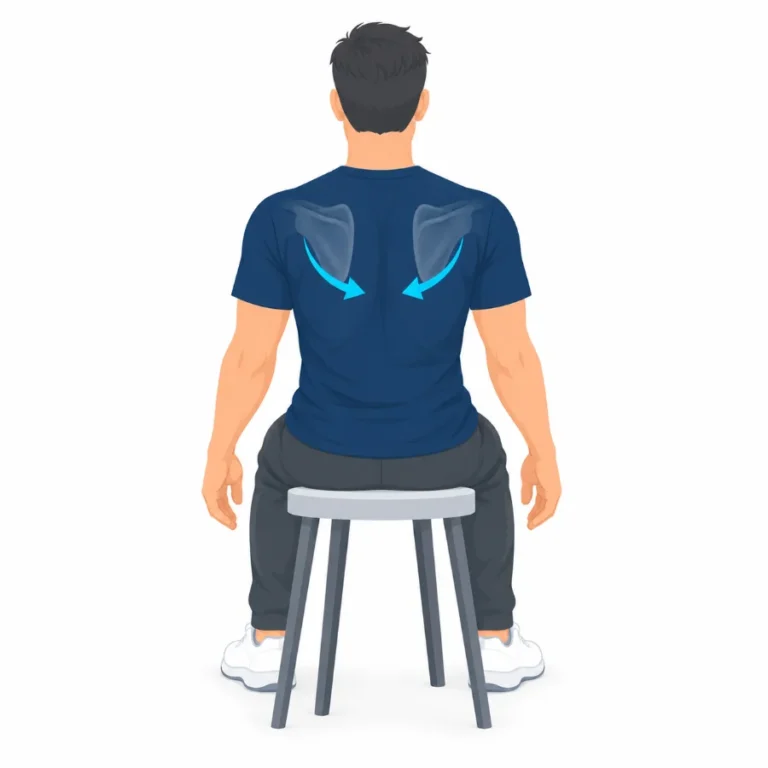
With and without prehab
With prehab
- A shorter hospital stay is common
- Lower pain scores and less need for strong pain medicines
- Earlier walking and stairs
- Clearer expectations and less worry
- Fewer complications and an easier discharge
Without prehab
- A longer hospital stay
- More pain and pain medicine early on
- A slower return to walking and stairs
- Less certainty about what to expect
- A higher chance of stiffness or a return to hospital
Your prehab timeline
- 4 to 6 weeks before. Initial assessment (VALD ForceDecks, InBody, movement screen) and goal setting.
- Start the program. Supervised and home exercises, with activity targets in the Healthy Joints app.
- 2-week review. Progressions, strategies for swelling and pain, gait practice.
- 1 week before. Final readiness check, medication plan, and equipment and home setup confirmed.
Readiness checklist
- Prehab assessment booked
- Exercise plan started
- Daily walking routine
- Protein and hydration targets
- Pre-op education completed
- Hospital bag and home aids ready

FAQs
Can I do prehab if I have pain?
Yes. Exercises are adjusted to what you can tolerate, using low-load strengthening and pacing.
Do I need a referral?
No. A letter from your GP or surgeon can help with Medicare or private health rebates if applicable.
How will my progress be measured?
With a Biomechanical Profile Assessment (VALD ForceDecks strength symmetry, InBody lean mass), range-of-motion and functional tests (sit-to-stand, timed walk), and milestones in the app.
Next steps
Book a prehab assessment to start your program. Exercises, education and support are matched to your surgery and goals.
Useful links
Further reading
Peer-reviewed reviews on this topic, free to read in full.
- Prehabilitation for Patients Undergoing Orthopedic Surgery: A Systematic Review and Meta-analysis. JAMA Netw Open, 2023 (free full text, PMID 37052919)
Book an appointment
Call the rooms during consulting hours, Monday to Thursday 9 am to 5 pm and Friday 9 am to 3 pm.