Physiotherapy and rehabilitation in East Melbourne
Physiotherapy for shoulder dislocation and instability
SOS Clinic provides physiotherapy after a shoulder dislocation and for shoulders that feel loose or unstable. Rehabilitation builds strength and control so the shoulder can cope with work and sport again.
What is shoulder instability?
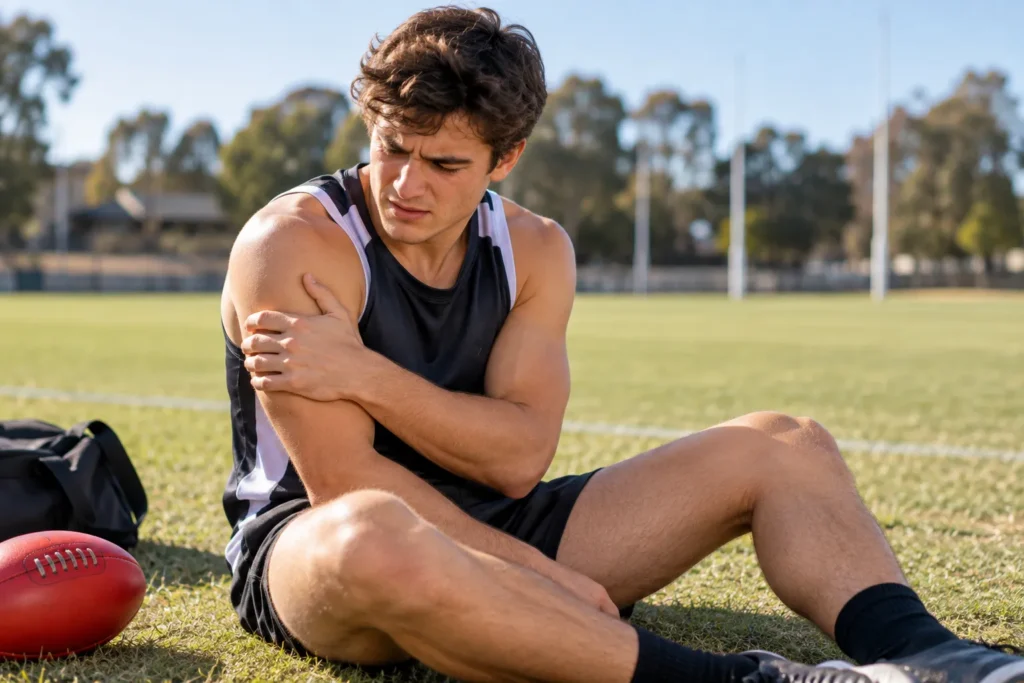
The shoulder is the most mobile joint in the body, which also makes it the joint most likely to dislocate. Instability means the ball of the shoulder slips partly or fully out of its socket. It may start with an injury, such as a fall or a tackle, or come on gradually in people whose joints are naturally loose.
After a dislocation, the shoulder is usually put back in place in an emergency department. The arm then rests in a sling for comfort for a short time.
Can physiotherapy help?
Physiotherapy is the main treatment for most people after a first dislocation, and for people whose instability came on without a major injury. Strong, well-timed muscle control around the shoulder and shoulder blade helps keep the joint centred.
Young people who play contact or overhead sport have a higher chance of the shoulder dislocating again. For them, a surgical opinion may be discussed early, alongside rehabilitation.
What happens at the first appointment?
Your physiotherapist asks how the shoulder came out, how often it has happened and which positions feel unsafe. They check movement, strength and control, and look at any X-rays or scans. After a recent dislocation, they also check the nerves around the shoulder.
What might rehabilitation include?
- Early movement within safe limits to settle pain and stiffness
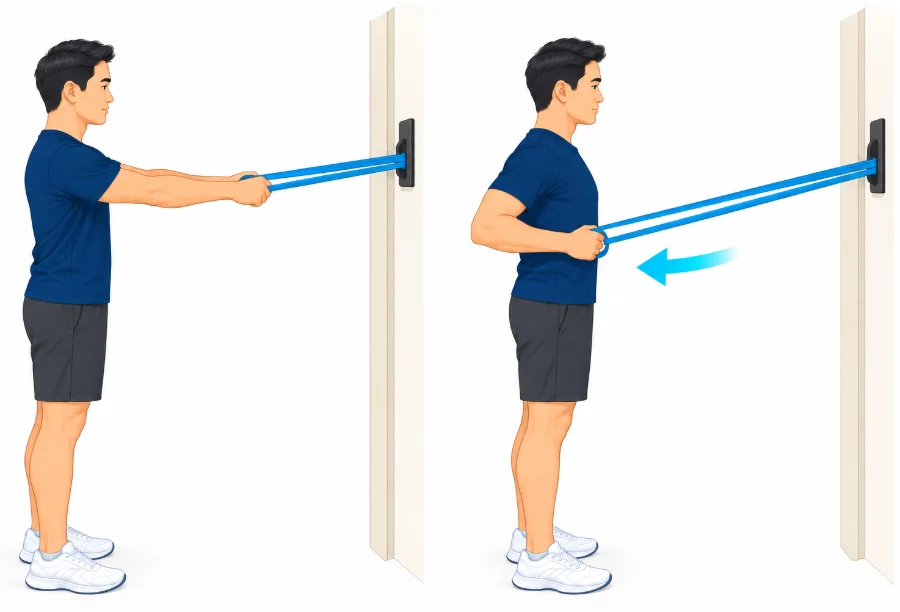
- Strengthening for the rotator cuff and the muscles that control the shoulder blade
- Control drills in positions that used to feel unsafe, progressed slowly
- Sport-specific training and testing before a return to contact or overhead sport
When can I return to sport?
Return to sport is based on strength, control and confidence, as well as time since the injury. Strength testing at the clinic can help guide the decision.
When is surgery considered?
Surgery may be discussed after more than one dislocation, when the shoulder keeps feeling unstable despite rehabilitation, or after a first dislocation in a young contact athlete. Professor Phong Tran explains shoulder stabilisation on his website. Rehabilitation continues after any operation.
Shoulder physiotherapy at SOS Clinic
Associate Professor Amir Takla and Imogen Clark are the physiotherapists at SOS Clinic. They work in the same rooms as Professor Phong Tran at 166 Gipps Street, East Melbourne, so care can move between physiotherapy and a surgical opinion without starting again.
More on shoulder physiotherapy
- Shoulder physiotherapy
- Physiotherapy for rotator cuff pain
- Physiotherapy for frozen shoulder
- Rehabilitation after surgery
Read more about shoulder dislocation and shoulder physiotherapy.
Arrange physiotherapy at SOS Clinic
Visit Specialist Orthopaedic Surgery Clinic at St Francis Building, Ground Floor, 166 Gipps Street, East Melbourne VIC 3002. Bring any relevant scans and a list of the activities you would like to return to.
Book an appointment or call (03) 9928 6161.
This information is general. Follow the advice and precautions provided by your own surgeon and physiotherapist.