
Getting stronger before a hip or knee replacement
Once a date for a hip or knee replacement is set, many people simply wait. Pain makes it hard to stay active, so the muscles around the joint slowly get weaker.
Exercise in the weeks or months before surgery is often called prehab. It aims to get your body in better shape for the operation and for the rehab that follows. The research shows it helps, but the gains are usually modest and mostly seen in the first months after surgery.
What is prehab?
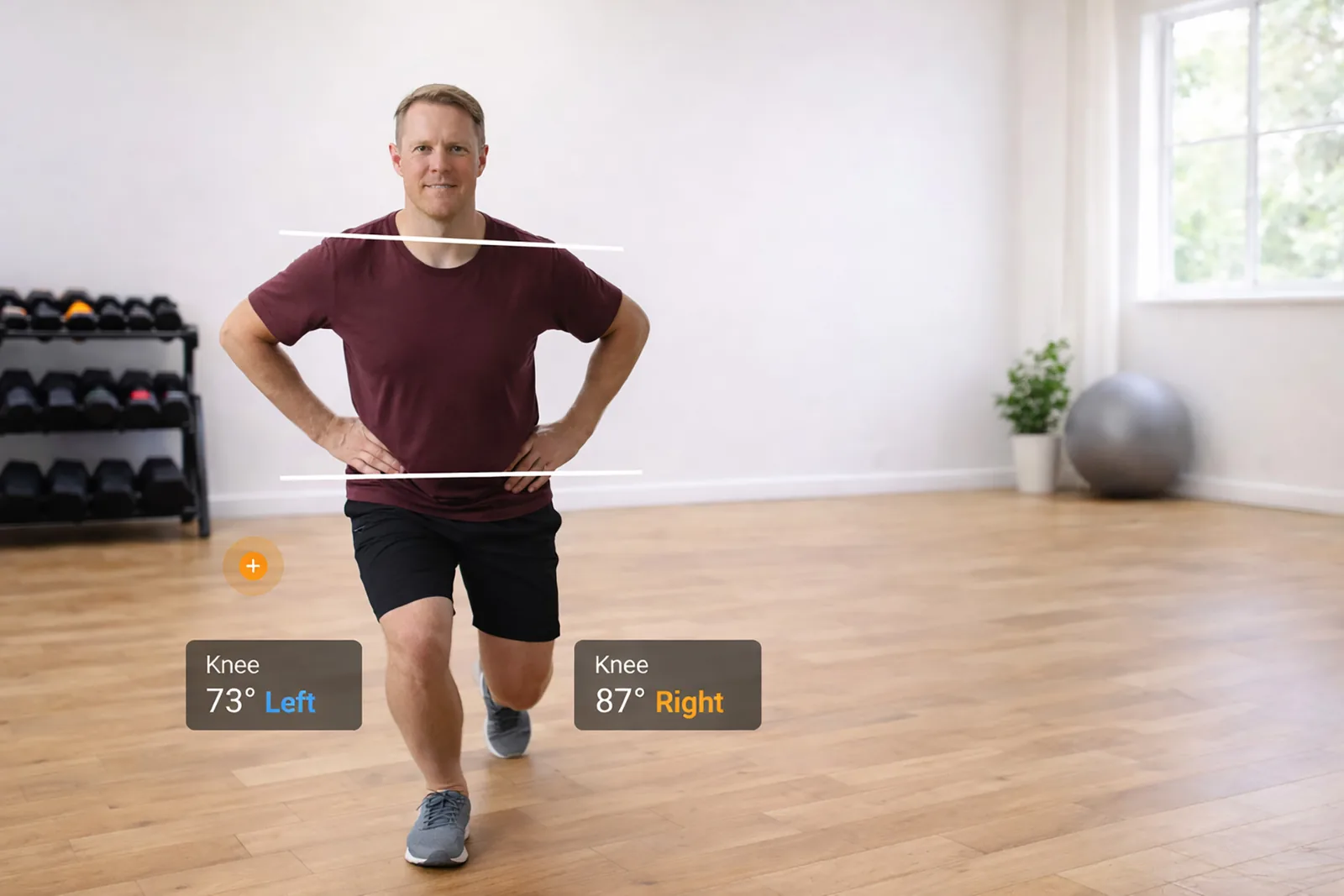
Prehab is a planned exercise program that you do before surgery. It usually focuses on strength in the legs and hips, with some walking, cycling or balance work. Many programs also include advice on what to expect in hospital and how to use crutches or a frame.
It can be done in a clinic, at home with a written program, or a mix of both.
What does the research show?
A large review of trials in orthopaedic surgery found that prehab improved function and leg strength before knee replacement. Before hip replacement it improved quality of life and hip strength.1 After knee replacement, the same review found a benefit for function at six weeks. Most of the other effects after surgery were backed only by low quality evidence.1
Another review of 40 trials found that exercise before surgery improved pain, function and quality of life, both before and after the operation.2 An overview that pulled together many reviews found fewer complications and better strength and function with prehab, but the benefits faded over time and were mostly seen in the first six months.3
Not every review is so positive. One review found that most trials had a high risk of bias and gave mixed results, so the authors felt they could not draw firm conclusions.4 For hip replacement in particular, there are fewer trials, and the evidence is weaker than for the knee.4,5
Overall, prehab is safe and tends to help, especially before and soon after surgery. It will not change the long term result of a joint replacement by a large amount. It is still a sensible use of the waiting time.
Why getting stronger can help
After a hip or knee replacement, you need to get out of bed, stand up from a chair, walk with an aid and manage a few steps. Each of these uses the thigh and hip muscles. If those muscles are already strong, these early tasks can feel easier.
Prehab also gives you time to learn your exercises while you are not sore from surgery. Many people find the rehab after the operation easier to start when the movements are already familiar.
Which exercises are used?
The programs in the research vary a lot. A recent review of hip replacement trials found that leg strength training, programs that mixed several types of exercise, and Tai Chi all showed some benefit before surgery. Confidence in most of these results was low.5
A prehab program at the clinic is built around you, and often mixes the following.
- Leg strengthening. Sit to stand, step-ups, bridges and exercises for the thigh and buttock muscles.
- Fitness. Walking, a stationary bike or water exercise, at a level your joint can handle.
- Balance. Simple standing balance work to help you feel steady on your feet.
- Practice for after surgery. Learning the first exercises you will do after the operation, and how to walk with crutches or a frame.
- Gradual progress. Exercises get a little harder over time, while keeping pain at a level you can manage.
Will exercise make my joint worse before surgery?
For most people, no. Exercise may cause some extra soreness for a day or so, which usually settles. Your physiotherapist adjusts the program if a flare lasts or your joint feels worse overall. The reviews did not report extra harm from prehab.2,3
How SOS Clinic can help
The physiotherapists at SOS Clinic in East Melbourne can set up a prehab program that suits your joint, your fitness and your timeframe before surgery. Your first visit includes an assessment of your strength, movement and balance.
A biomechanical profile assessment can measure leg strength with the ForceFrame strength frame, and standing and sit to stand tests on ForceDecks force plates. These tests give a starting point. Repeating them after surgery shows how your strength is coming back.
If you are still deciding about surgery, the clinic team can arrange a review with Prof Phong Tran, an orthopaedic surgeon who works from the same clinic. Read about anterior hip replacement or subvastus knee replacement with Prof Phong Tran.
When to get help sooner
See a doctor promptly if your joint becomes hot, red and swollen, especially with a fever. The same applies if you suddenly cannot put weight on your leg, you have a fall, or your calf becomes swollen and painful. During opening hours, contact the clinic. After hours and on weekends, go to your nearest emergency department.
Book a prehab assessment at SOS Clinic
Frequently asked questions
How long before surgery should I start prehab?
As soon as you know surgery is likely. Many programs in the research ran for several weeks. Even a shorter program gives you time to learn your exercises.
Can I do prehab at home?
Yes. Many people do most of their program at home, with visits to the clinic to check their technique and move the exercises on.
What if exercise hurts my hip or knee?
Some discomfort is common and usually settles within a day. Your physiotherapist can change the exercises, the load or the type of activity so the program stays manageable.
Will prehab mean I do not need surgery?
For some people, a good exercise program eases pain enough to put surgery off. For others, surgery is still the best choice. Either way, getting stronger will not do harm.
Do I need a referral to see a physiotherapist?
No. You can book directly. If you have a GP management plan, Medicare may cover part of the cost of a limited number of visits.
References
- Punnoose A, Claydon-Mueller LS, Weiss O, Zhang J, Rushton A, Khanduja V. Prehabilitation for patients undergoing orthopedic surgery: a systematic review and meta-analysis. JAMA Netw Open. 2023;6(4):e238050.
- Hares NA, Sanders JP, Esliger DW, Thomas JJC, Bourron B, MacKinnon HJ, Madigan CD. Are pre-operative exercise interventions for joint arthroplasty effective at improving peri-operative outcomes? A systematic review and meta-analysis of randomized controlled trials. J Sport Health Sci. 2025;15:101083.
- Keogh JAJ, Keng I, Dhillon DS, Bourgeault-Gagnon Y, Simunovic N, Ayeni OR. The effects of structured prehabilitation on postoperative outcomes following total hip and total knee arthroplasty: an overview of systematic reviews and meta-analyses of randomized controlled trials. J Orthop Sports Phys Ther. 2025;55(5):344-365.
- Adebero T, Omana H, Somerville L, Lanting B, Hunter SW. Effectiveness of prehabilitation on outcomes following total knee and hip arthroplasty for osteoarthritis: a systematic review and meta-analysis of randomized controlled trials. Disabil Rehabil. 2024;46(24):5771-5790.
- van der Vorst MAT, Dijkman R, Hannink G, van Hove RP, Olde Rikkert MGM, Peeters G. Effectiveness of prehabilitation modalities before total hip arthroplasty: a systematic review and network meta-analysis. Ann Phys Rehabil Med. 2026;69(4):102114.